Industries · WOODWORKING
Bonding solutions for woodworking.

Woodworking shops bond large laminate and veneer faces, join wood to dissimilar materials, fill gaps in worked joints, and finish surfaces that show every defect. MightyLoc supplies contact adhesives, two-part epoxy, instant cyanoacrylate, and elastic MS polymer adhesive chosen for these conditions, covering panel lamination, structural and repair bonding, finger-jointing, and trim and skirting installation across wood, laminate, foam-cored, and mixed-material assemblies.
Recommended products
MightyLoc products for Woodworking
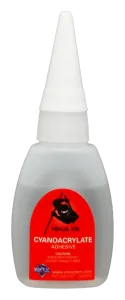
Ninja 108
Cyanoacrylate
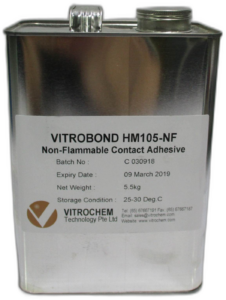
Taftbond HM105NF
Contact Adhesive
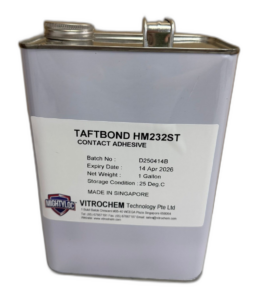
Taftbond HM232ST
Contact Adhesive
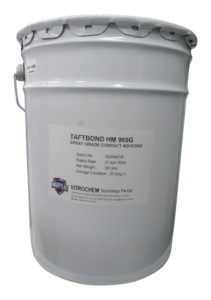
Taftbond HM969G
Contact Adhesive

TaftGrip
MS Polymer
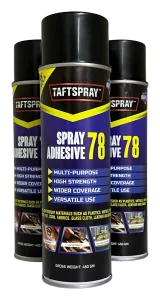
Taftspray 78
Spray Adhesive
Not sure which to choose?
Tell us your substrates and service conditions; we will point you to the right chemistry.
Talk to our teamFAQ · WOODWORKING
Questions woodworking teams ask.
A contact adhesive is the usual choice because it grabs immediately over a large face without clamping. Taftbond HM969G is a sprayable neoprene contact adhesive for fast, even coverage of sheets, veneers, and panels. Taftbond HM232ST is a clear brush-and-roller contact adhesive for the same work where spray is not suitable, and it is safe on Styrofoam and foam. Confirm coverage and open time against the current Technical Data Sheet.
Taftbond 5 Minutes Epoxy is the appropriate product for wood joined to dissimilar materials. It is a two-part epoxy that mixes 1:1, bonds wood, metal, glass, and composites, and cures clear with a high bond. It also fills gaps, which helps on uneven dissimilar-material joints. Confirm mix ratio and cure conditions against the current Technical Data Sheet.
Taftbond HM232ST is the contact adhesive to use on foam and Styrofoam, because it is safe on Styrofoam where solvent-based products can attack the foam. It is a clear brush-and-roller adhesive suited to laminates and foam-cored panels. For fire-sensitive bonding, Taftbond HM105NF is a non-flammable contact adhesive alternative. Confirm substrate compatibility against the current Technical Data Sheet.
Taftbond 5 Minutes Epoxy fills gaps and bonds in the same step. It is a two-part epoxy that mixes 1:1, sets in about five minutes, and cures clear, so it suits worked joints, end grain, and repaired splits where a thin adhesive cannot bridge the gap. It bonds wood, metal, glass, and composites. Confirm gap and cure performance against the current Technical Data Sheet.
Ninja 108 is an instant ethyl cyanoacrylate that sets in seconds and needs no mixing. It bonds wood, plastics, metals, and rubber, which makes it suited to small repairs and tight finger-joints on close-fitting, clean parts. For repairs that also need gap-filling, Taftbond 5 Minutes Epoxy is the alternative. Confirm set time and substrate suitability against the current Technical Data Sheet.
Cure speed varies by product. Taftbond 5 Minutes Epoxy sets in about five minutes after a 1:1 mix. Ninja 108 cyanoacrylate sets near-instantly on close-fitting parts. Contact adhesives such as Taftbond HM969G and Taftbond HM232ST are coated on both faces and left to flash off before assembly, then grab on contact. Confirm exact open, clamp, and full-cure times against each product Technical Data Sheet before production use.
TaftGrip is a single-component MS polymer construction adhesive that is permanently elastic and paintable, which suits panel, trim, and skirting bonding where the joint must flex with timber movement and then be finished. It is also non-corrosive and odourless. Confirm cure time and paint compatibility against the current Technical Data Sheet.
Every product page on the MightyLoc website lists its published specifications and links to a downloadable Technical Data Sheet. The TDS is the source of record for cure schedules, open and clamp times, substrate compatibility, surface preparation, and finishing guidance. Always confirm against the current TDS version before production use, as specifications may be updated.
What are the joining and bonding challenges in woodworking?
Laminating sheets, veneers, and panels over large flat areas needs even adhesive coverage and immediate grab, because clamping a full panel face is rarely practical. Bonding wood to dissimilar materials such as metal, glass, or composite rules out wood glue alone and calls for a chemistry that holds both substrates. Worked joints, end grain, and repaired splits often leave gaps that a thin adhesive cannot bridge, so gap-filling capability matters. Foam-cored panels and Styrofoam can be attacked by solvent-based adhesives, which limits product choice on those assemblies. Trim, skirting, and panel installation on site needs an adhesive that stays flexible under timber movement and can be painted over once cured.
Which chemistries and products suit woodworking applications?
Contact adhesive is the primary technology for laminating large faces. Taftbond HM969G is a sprayable neoprene contact adhesive that lays down fast, even coverage over sheets, veneers, and panels. Taftbond HM232ST is a clear brush-and-roller contact adhesive that is safe on Styrofoam and foam, suiting foam-cored panels and laminates where solvent attack is a risk. Taftbond HM105NF is a non-flammable contact adhesive for fire-sensitive bonding. For structural and repair bonds, Taftbond 5 Minutes Epoxy is a two-part epoxy that mixes 1:1, cures clear, sets in five minutes, and bonds wood, metal, glass, and composites, which makes it useful for gap-filling and quick repairs. Ninja 108 instant ethyl cyanoacrylate bonds wood, plastics, metals, and rubber in seconds on close-fitting parts, suiting small repairs and tight finger-joints; porous or loose joints cure slower and may need an activator. TaftGrip, a single-component MS polymer construction adhesive, is non-corrosive, odourless, and permanently elastic for panel, trim, and skirting bonding.
How do you select the right product per joint and material?
Choose by the substrate pairing, the joint size, and the cure speed needed. For wood-to-wood laminating over large faces, a contact adhesive gives instant grab without clamping: Taftbond HM969G where a sprayed coat suits the surface, Taftbond HM232ST where brush or roller application is preferred or where foam and Styrofoam are involved, and Taftbond HM105NF only where a fire-sensitive worksite, such as hot work or welding nearby, rules out a conventional solvent contact adhesive. For wood-to-metal, wood-to-glass, or wood-to-composite joints, Taftbond 5 Minutes Epoxy is the better fit because it bonds dissimilar materials and fills gaps, and it cures clear so it stays unobtrusive on visible joints. For small, fast repairs and tight finger-joints, Ninja 108 cyanoacrylate sets in seconds and needs no mixing. For installing panels, trim, and skirting where the bond must flex with timber movement and be paintable, TaftGrip is the appropriate choice.
What are the application, cure, and finishing considerations?
Contact adhesives are coated on both surfaces and left to flash off before the parts are brought together, so positioning must be correct on first contact because the bond grabs immediately. Surfaces should be clean and dry, and on foam or Styrofoam, confirm Taftbond HM232ST as the compatible option before coating. Taftbond 5 Minutes Epoxy sets in about five minutes after a 1:1 mix and cures clear, which suits visible joints and gap-filled repairs, while Ninja 108 sets near-instantly and is best applied sparingly to clean, close-fitting parts. TaftGrip is permanently elastic and paintable, so painted trim and skirting can be finished after cure. Confirm exact cure times, clamp or open times, substrate compatibility, and finishing guidance against each product Technical Data Sheet before production use.