
Industries · AUTOMOTIVE
Bonding solutions for automotive.

Automotive assembly involves bonding dissimilar substrates, sealing exposed seams against water and road noise, and keeping threaded fasteners locked through constant engine and chassis vibration. MightyLoc offers acrylic foam tapes for structural trim and panel bonding, elastic polyurethane and MS polymer sealants for flexible seam sealing, and anaerobic threadlockers for fastener retention across the full drivetrain.
Recommended products
MightyLoc products for Automotive
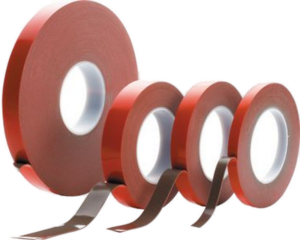
AFT 1080GF
Acrylic Foam Tape
AFT 1120GF
Acrylic Foam Tape
AFT 1200GF
Acrylic Foam Tape
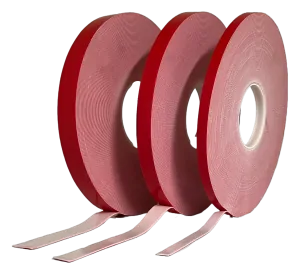
AFT 2064WF
Acrylic Foam Tape
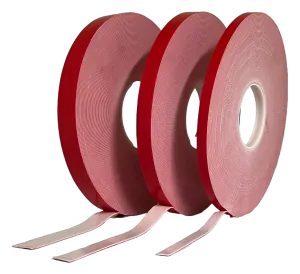
AFT 2120WF
Acrylic Foam Tape
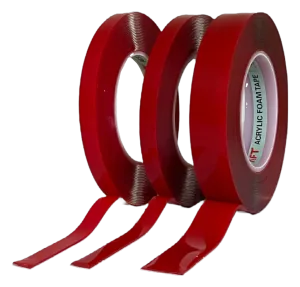
AFT 3100CF
Acrylic Foam Tape
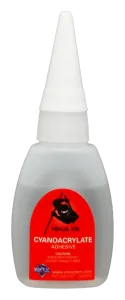
Ninja 108
Cyanoacrylate
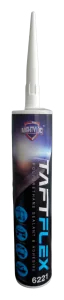
Taftflex 6221
Polyurethane Sealant
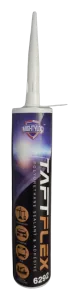
Taftflex 6292
Polyurethane Sealant

TaftGrip
MS Polymer
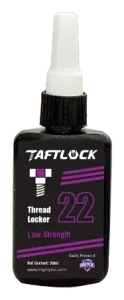
Taftlock 22
Anaerobic Adhesives
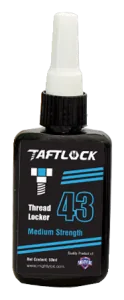
Taftlock 43
Anaerobic Adhesives
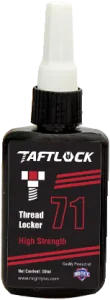
Taftlock 71
Anaerobic Adhesives
Not sure which to choose?
Tell us your substrates and service conditions; we will point you to the right chemistry.
Talk to our teamFAQ · AUTOMOTIVE
Questions automotive teams ask.
Acrylic foam tape distributes the bond load across the full joint area, which is an advantage over point-loaded fixings for trim and badges. AFT 1080GF and AFT 2120WF both bond to metal, aluminium, stainless steel, acrylic, and glass, with 180-degree peel strengths of 3000 g/25mm and 3200 g/25mm respectively. Surface prep and substrate coating type affect final bond strength; confirm both against the Technical Data Sheet before specifying for a production application.
The viscoelastic foam core in tapes such as AFT 1120GF and AFT 1200GF absorbs the stress that builds up at the interface when two materials expand and contract at different rates through heat cycling. This prevents the peel stress that would crack a rigid adhesive or loosen a brittle bond over time. Confirm the published service temperature for AFT 1120GF and AFT 1200GF against the current Technical Data Sheet for your specific operating zone.
Taftlock 22 covers fasteners up to 6 mm and allows hand-tool removal, which suits service-access points. Taftlock 43 handles fasteners from 6 to 20 mm including stainless steel and plated parts and is also removable with hand tools. Taftlock 71 is the high-strength permanent grade for metal screws, fasteners, and rivets. All three operate from -55 to +150 C. Select grade by fastener size and whether the joint needs to be opened for scheduled maintenance. Confirm cure requirements for passivated or plated fasteners against the relevant Technical Data Sheet.
TaftGrip is a one-component MS polymer adhesive sealant that moisture-cures into a durable paintable elastomer. It is free of solvents, isocyanates, silicones, and PVC, and non-corrosive. It is rated for service from -40 to +90 C. TaftGrip is described as having strong primerless adhesion to many substrates, but primer requirements depend on the specific substrate and coating. Confirm against the Technical Data Sheet. Functional cure is reached at 24 hours; full cure at 7 days.
Both are one-component polyurethane sealants that are paintable and weather resistant. Taftflex 6292 is specified as low-modulus with high elasticity of around 600 percent elongation at break, which suits joints expected to move significantly. Its service range is -40 to +90 C. Taftflex 6221 is permanently elastic with a service range of -40 to +80 C. For joints with high movement or wide seasonal temperature variation, Taftflex 6292 higher elongation and wider thermal range make it the more conservative choice. Confirm suitability for your joint dimensions against the Technical Data Sheet.
AFT 1080GF is the only grade in the range with a documented brief excursion rating of +120 C above its continuous service temperature limit of +90 C. Other AFT grades are rated to +90 C continuous. Paint bake cycles often exceed these temperatures; confirm the peak temperature and duration against the Technical Data Sheet before using any structural tape in a painted assembly that will go through an oven cure cycle.
What are the bonding and sealing challenges in automotive assembly?
Automotive bodies and trim assemblies combine metals, coated aluminium, glass, and engineering plastics in the same joint. These materials expand and contract at different rates through heat cycling, which stresses any bond that cannot flex. Mechanical fasteners and spot welds add weight, introduce corrosion sites, and leave visible marks on class-A surfaces where badges, mouldings, and body trim attach. Seams around doors, glass, and panels must stay watertight and acoustically sealed through years of UV exposure, rain, and temperature swings from below zero to engine-bay heat. Threaded fasteners on engines, brackets, and chassis loosen progressively under road and powertrain vibration, leading to noise, fluid leaks, and warranty returns. Each of these failure modes calls for a different chemistry: structural tape for load distribution, elastic sealant for joint movement, and anaerobic adhesive for fastener retention.
Which MightyLoc products suit which automotive job?
For trim, badge, and moulding bonding, the AFT acrylic foam tape range distributes load along the full joint length and absorbs differential thermal expansion through the viscoelastic foam core. AFT 1080GF (grey, 180-degree peel strength 3000 g/25mm, service temperature -10 to +90 C with brief excursions to +120 C) and AFT 2120WF (white, 180-degree peel strength 3200 g/25mm, service temperature -10 to +90 C) cover most metal, aluminium, stainless steel, acrylic, and glass applications. Where a gap needs bridging or the surface is curved, AFT 1200GF at 2.0 mm thickness conforms to uneven geometry. For a minimal bond line on finished surfaces, AFT 2064WF at 0.64 mm gives a low-profile white joint. For flexible panel and seam sealing, Taftflex 6292 one-component polyurethane sealant offers around 600 percent elongation at break, handles service temperatures from -40 to +90 C, and is paintable and non-staining. TaftGrip MS polymer adhesive sealant cures moisture-free without solvents, isocyanates, silicones, or PVC, and bonds primerless to many substrates with a service range of -40 to +90 C. For threaded fasteners, Taftlock 22 covers fasteners up to 6 mm, Taftlock 43 covers 6 to 20 mm including stainless and plated parts, and Taftlock 71 handles high-strength requirements. All three anaerobic threadlockers operate from -55 to +150 C.
What should you consider when specifying for automotive use?
Substrate preparation determines whether a structural tape bond will hold at service temperature. Metal surfaces need to be clean, dry, and free of release agents or mould lubricants before AFT application. Primer use depends on the substrate and coating type; confirm with the relevant Technical Data Sheet. For sealant joints in moving panels, calculate the expected joint movement range and confirm that the sealant elongation at break, noted in the TDS, covers the worst-case scenario with margin. Cure sequence matters for production lines: TaftGrip skins in 5 to 10 minutes and reaches functional cure at 24 hours, but full cure takes 7 days, so secondary fixturing or tape assists may be needed during early handling. For anaerobic threadlockers, cure requires metal contact in the absence of air; passivated, plated, or stainless fasteners may need an activator to reach full cure speed. Disassembly requirements should drive strength grade selection: Taftlock 22 and Taftlock 43 both allow removal with hand tools, while Taftlock 71 is intended for permanent high-strength locking.
How do you select by service temperature and substrate type?
Service temperature range varies across the MightyLoc range and should be verified against the expected operating zone before specifying. AFT 1080GF and AFT 2120WF are rated to -10 to +90 C continuous, with AFT 1080GF tolerating brief excursions to +120 C, which covers most exterior trim applications but may not suit under-hood locations near exhaust or cooling system components. Confirm the service temperature for AFT 1120GF, AFT 1200GF, and AFT 2064WF against their Technical Data Sheets. Anaerobic threadlockers (Taftlock 22, 43, and 71) carry a wider thermal range of -55 to +150 C, which extends their use to engine and gearbox fastener applications. Polyurethane sealants Taftflex 6221 and Taftflex 6292, and TaftGrip MS polymer sealant, all operate from -40 C, covering cold-climate market requirements across Southeast Asia and export destinations. For substrate compatibility, the AFT tapes bond to metal, aluminium, stainless steel, acrylic, and glass. TaftGrip primer-free adhesion to many substrates makes it practical where substrate type varies across a production run. Always verify substrate-specific adhesion against the current Technical Data Sheet, particularly for coated or powder-coated surfaces.